Yes, your data can disappear completely if the recycling follows proper methods. At the Digital Education Foundation, we understand the importance of this, as we work every day to provide students and families with laptops and computers that enable them to learn and stay connected. But to make that possible, we first ensure all previous information gets erased securely and irretrievably.
The risks of careless recycling
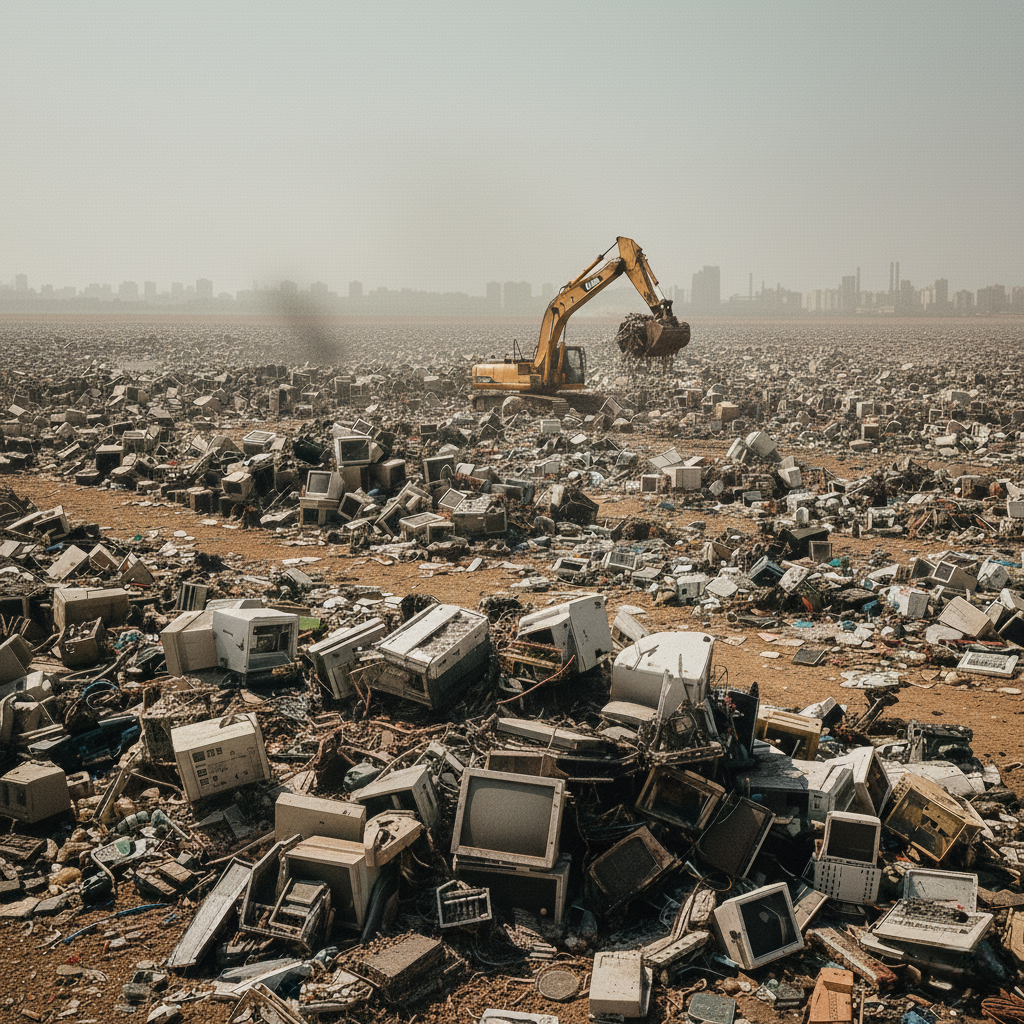
Many people and companies in Tampa have legitimate concerns: “What if someone recovers my files, passwords, or client information?” They have good reason to worry. Hard drives and SSDs poorly erased can be read with accessible tools. Documented cases show how discarded equipment without proper treatment exposed personal or corporate data. That not only creates privacy issues but can also lead to serious legal consequences.
Standards that truly protect
In the United States, the main reference is the NIST 800-88 guideline from the National Institute of Standards and Technology. This guideline sets three levels of erasure based on data sensitivity:
- Clear: Simple overwrite (for non-sensitive data)
- Purge: More aggressive methods (demagnetization or special commands on SSDs)
- Destroy: Physical destruction (for critical information)
When dealing with data protected by laws like HIPAA (health), the standard requires the highest appropriate level.
At Digital Education Foundation, we only partner with recyclers that meet these standards and ideally hold recognized certifications. One of our main partners, eSmart Recycling, holds R2v3 certification from Sustainable Electronics Recycling International (SERI), one of the most demanding in the U.S. electronics recycling industry. This certification includes independent audits verifying secure data erasure, equipment traceability, and responsible environmental handling.
How we do it together
When a laptop or computer arrives at a Community E-Recycling Drive or eSmart Recycling’s facility in Tampa, the process goes like this:
- Each device gets registered and assigned a unique tracking number
- An initial audit of the equipment takes place
- The appropriate erasure method applies based on storage type (certified software or physical destruction)
- A data destruction certificate is issued with details (serial number, date, method used)
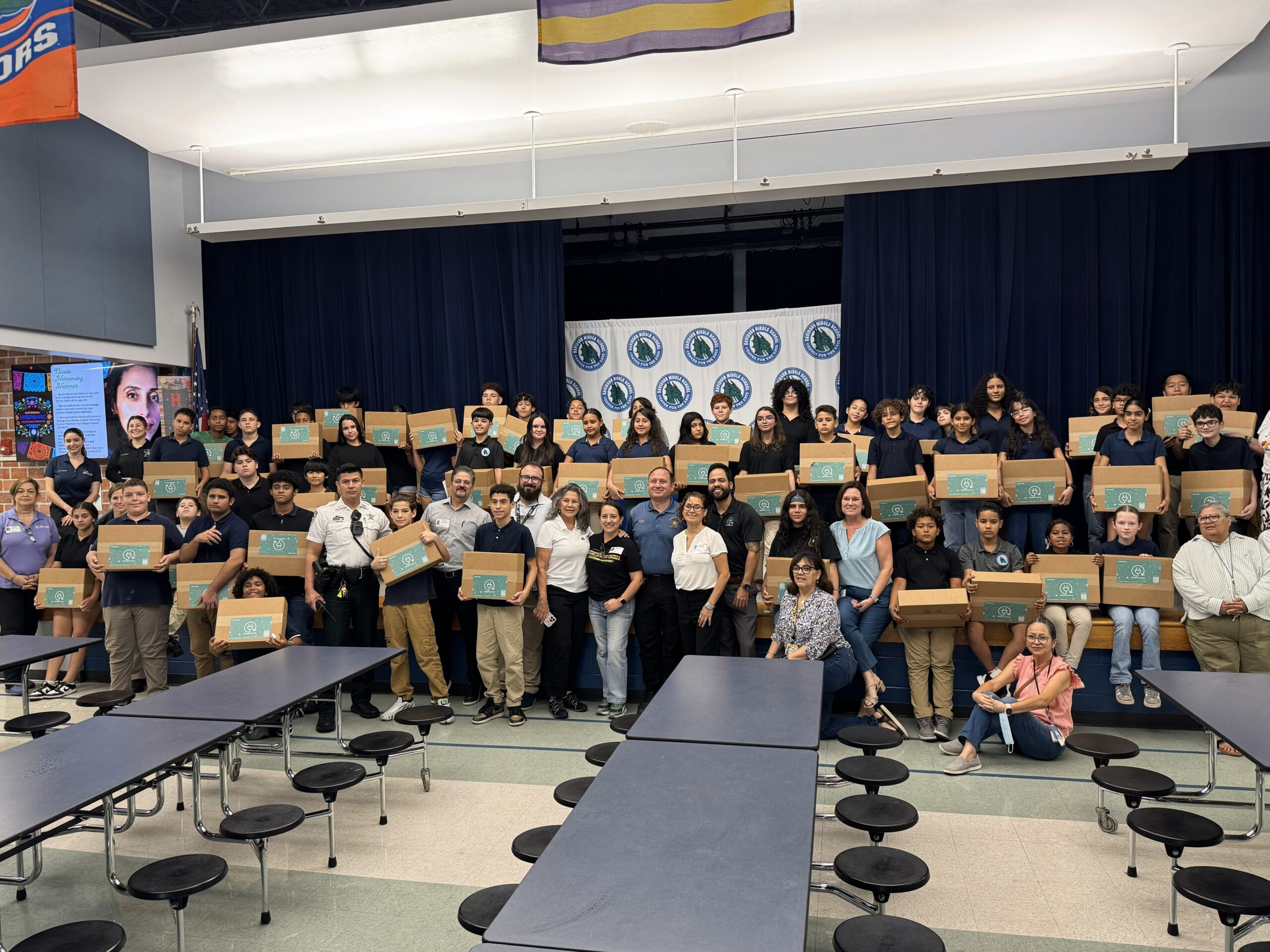
Once the data has been securely erased, we evaluate whether the device can be refurbished. Those in good condition get prepared and delivered through our educational programs to students and families without access to technology.
Why data security matters so much to us
At Digital Education Foundation, we believe technology should open doors, not create risks. That’s why we only collaborate with organizations that give us confidence that every laptop we deliver is clean and ready for a new story. When a company or person donates used equipment to our events, they know their data stays protected, and the device gets a second life, helping close the digital divide in our community.
What you can do
If you have accumulated laptops, desktop computers, monitors, or accessories, and want to recycle them securely in Tampa:
- Join our next Community E-Recycling Drive (the upcoming one is Saturday, January 10, 2026, in St. Petersburg)
- Or schedule a pickup directly with eSmart Recycling
- Always request the data destruction certificate
This way, you stay worry-free and help more kids and youth access educational tools.
Secure recycling opens new possibilities
In the end, proper data erasure not only protects the old but also allows a used laptop to reach a student who needs it for classes or homework, clean and ready. In Tampa Bay, every device recycled this way connects someone else to the digital world. We at Digital Education Foundation, along with eSmart Recycling, keep making this happen every day. If you have devices ready to donate, contact us, and let’s make it real.