At the Digital Education Foundation, access to a computer can transform a student’s school experience. Not because it solves everything, but because it removes a barrier that quietly shapes daily learning.
Throughout 2025, we had the chance to walk alongside students and families in Tampa who needed access to technology to keep up with school. Through our work with eSmart Recycling and the Sheriff’s Hispanic Advisory Council (SHAC), laptops that were no longer used by companies found a new place with students who truly needed them. For many families, receiving a laptop brought relief, calm, and one less concern during the school week.
When a laptop becomes part of everyday learning
For many students, not having a personal computer means constant adjustments. Sharing devices, relying on limited schedules, or delaying assignments becomes part of daily life. That reality isn’t always visible, but it is present every single day.
At Digital Education Foundation, we work closely with communities where access to technology remains limited. We know a laptop does not replace teachers, family support, or effort. What it does provide is consistency. It allows students to participate in school activities with fewer obstacles.
Having a personal computer supports access to school platforms, communication with teachers, completion of assignments, and continuity beyond the classroom.
The deployments carried out with eSmart Recycling and SHAC
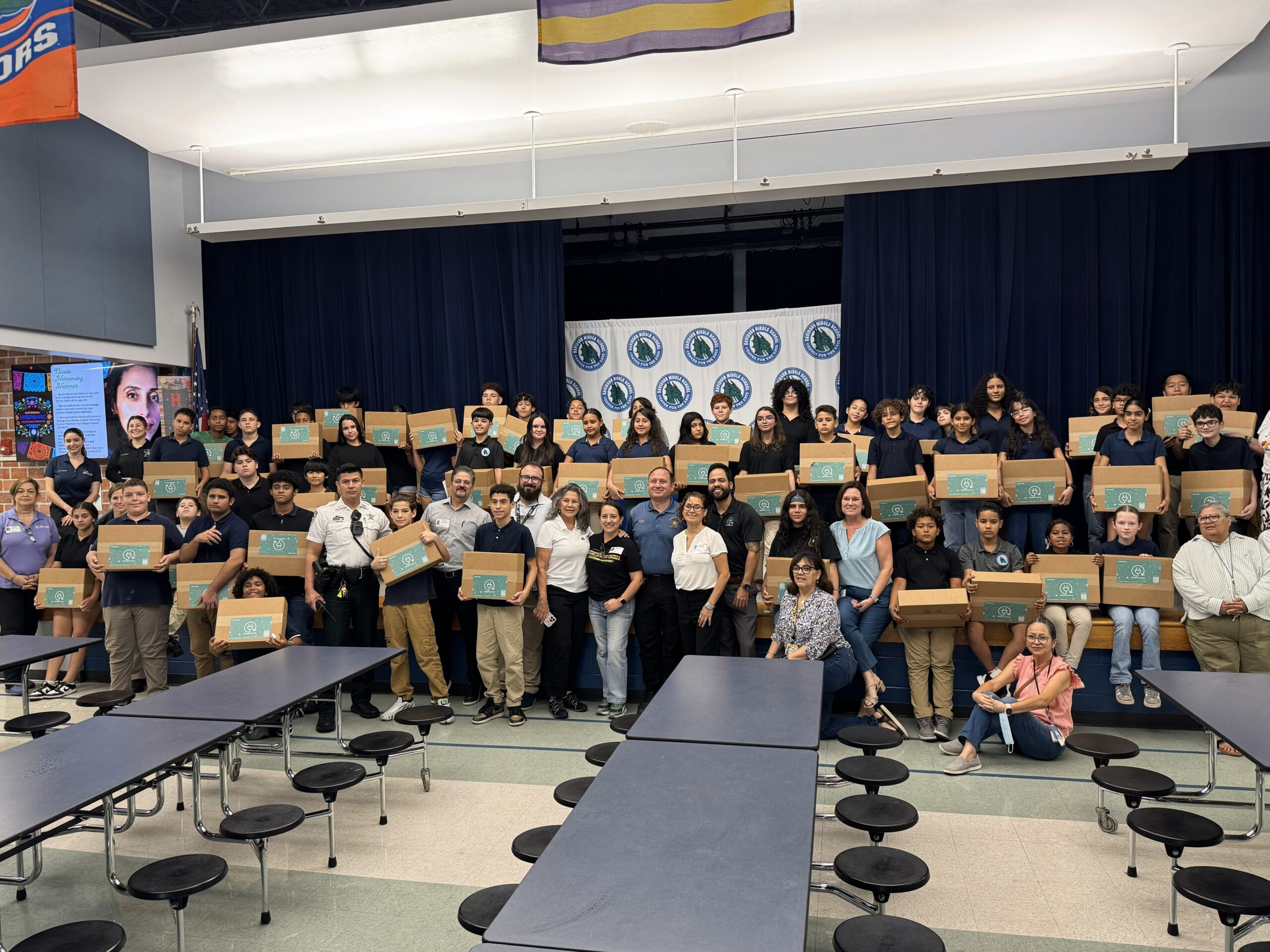
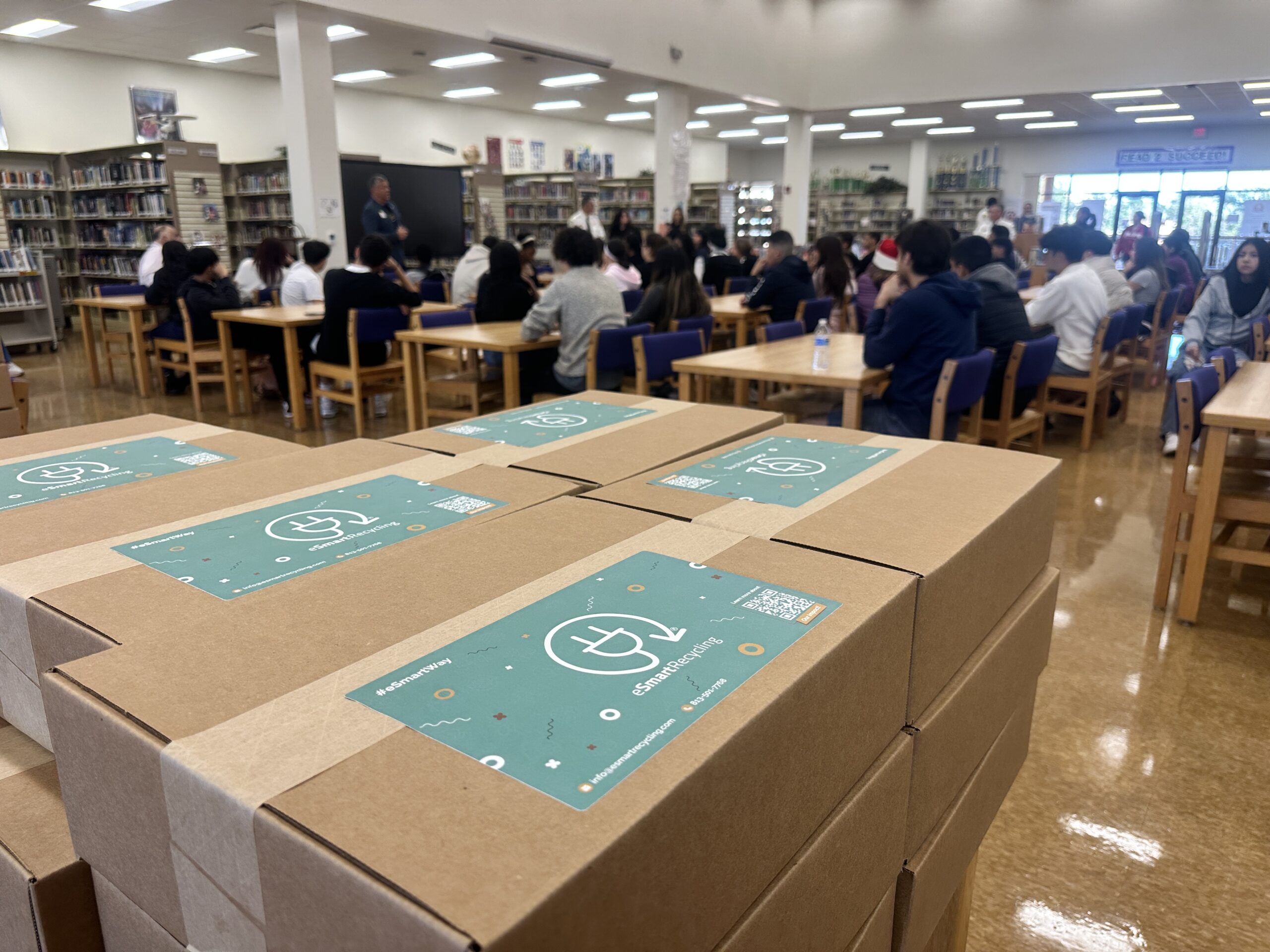
During the year, we took part in three laptop deployments at public schools in Hillsborough County: Wimauma Elementary School, Davidsen Middle School, and Spoto High School.
In total, 214 laptops were delivered, directly benefiting 856 people, including students and their families.
These deployments were made possible through a collaborative model. The Sheriff’s Hispanic Advisory Council (SHAC) contributed through community investment and coordination, while eSmart Recycling enabled access through its circular model, recovering laptops via responsible electronics recycling. This combination allowed devices that might otherwise remain unused to reach students who needed them most.
From DEF, our role was to support the social side of the process, work alongside school teams, and help ensure each laptop reached the right student at the right time.
Why these schools and communities
The participating schools serve a high number of Hispanic students. In many households, having a personal computer continues to be difficult. This shows up in postponed assignments, limited access to school platforms, and added pressure on families and educators.
Data from the National Center for Education Statistics shows that access to devices continues to vary based on socioeconomic factors, even in districts with strong infrastructure.
At Digital Education Foundation, we support initiatives that bring together resources, coordination, and trusted partners. During these deployments, we saw how collaboration allowed laptops to reach students smoothly and without unnecessary complications.
The value of working in partnership
None of this would have been possible without collaboration. Schools, the Sheriff’s Hispanic Advisory Council, eSmart Recycling, HCSO deputies, and technical teams worked closely so each deployment could take place with clarity and care.
We saw teachers feel more at ease, school staff fully engaged, and students receiving a tool that would become part of their daily routine. These outcomes happen when each organization understands its role and works toward a shared purpose.
What these laptops support day to day
The laptops delivered serve very practical needs. They allow students to access learning platforms, take part in virtual classes, build digital skills, and stay connected with their schools.
During the deployments, we saw how having a personal device reduced daily stress and helped students return their attention to what truly counts: learning, keeping up, and staying connected.
At Digital Education Foundation, we remain committed to supporting initiatives that bring technology closer to students and families who need it. This year reinforced something we see time and again: when communities, organizations, and partners work together, access to education becomes more stable and more reachable.
For those interested in supporting similar efforts, the message is simple. By joining collaborative models like this one, it becomes possible to support students with timely tools that fit their everyday learning needs.