We Opened a Tech Hub in South St. Pete

In May 2025, we opened the doors to our first Tech Hub in South St. Petersburg, located inside Mt. Zion Human Services. We did it because access to technology shouldn’t depend on where you were born. And honestly, the response from the community has already shown us how much it was needed.

From day one, we’ve seen students logging in to complete schoolwork, parents learning how to navigate health apps, and older adults attending digital literacy workshops for the first time. What we built wasn’t just a tech space—it became a place where more people finally have a way forward.

Bridging the digital gap—one connection at a time

South St. Pete is one of many communities in the U.S. where internet access and digital devices still feel out of reach. According to the FCC, over 19 million people nationwide lack reliable broadband access at home. That translates into fewer educational opportunities, limited access to telehealth, and fewer chances to apply for remote jobs or government services.

That’s why this Tech Hub matters. We installed 23 refurbished computers, set up high-speed internet, and developed community-focused programming on digital literacy, personal finance, health navigation, and college prep.

Our goal was never just to “install computers.” We wanted to give people real tools they can use every day—whether to send a resume, attend a virtual class, or just get through the week with more confidence.

Old tech, new purpose

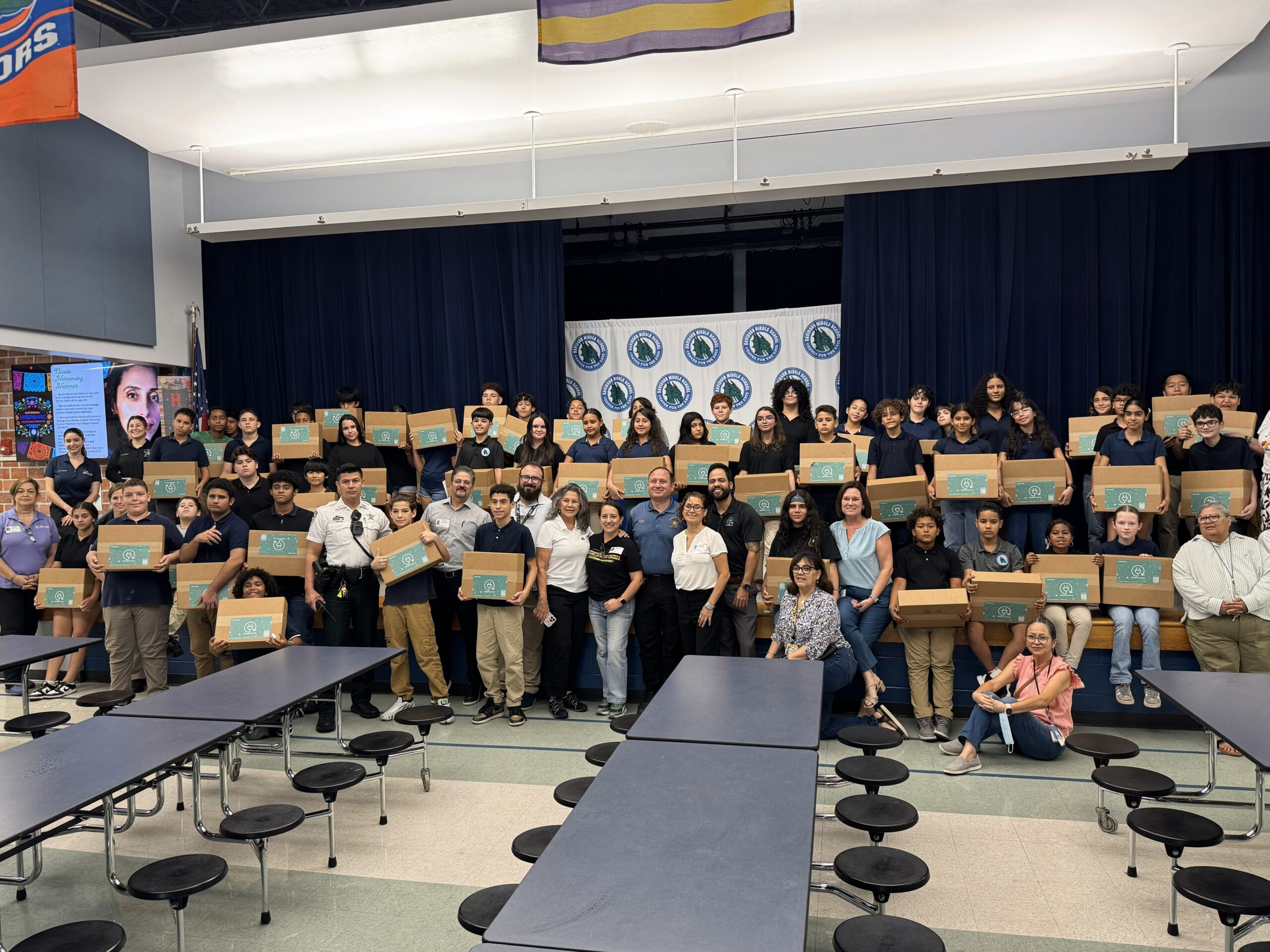
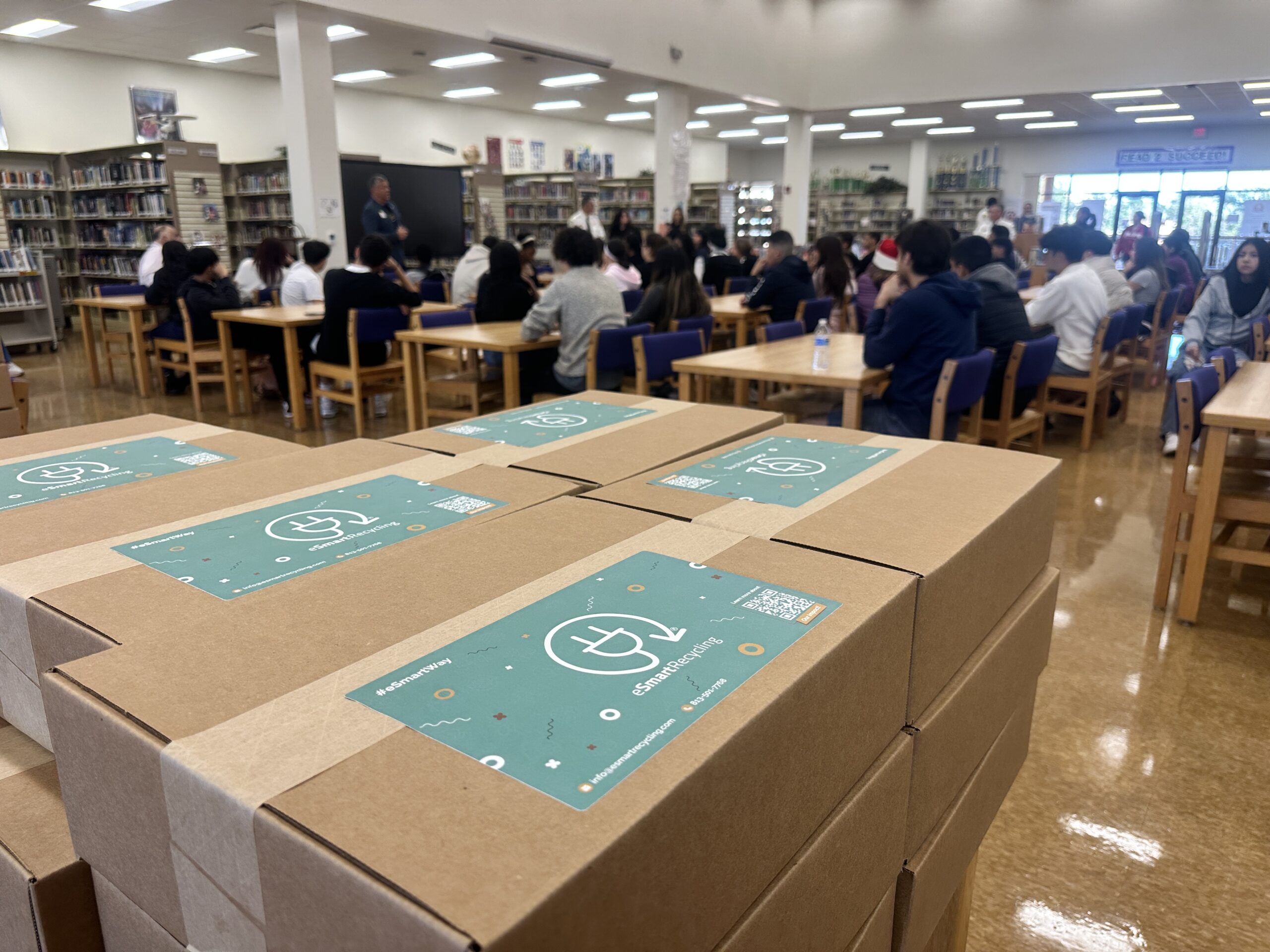
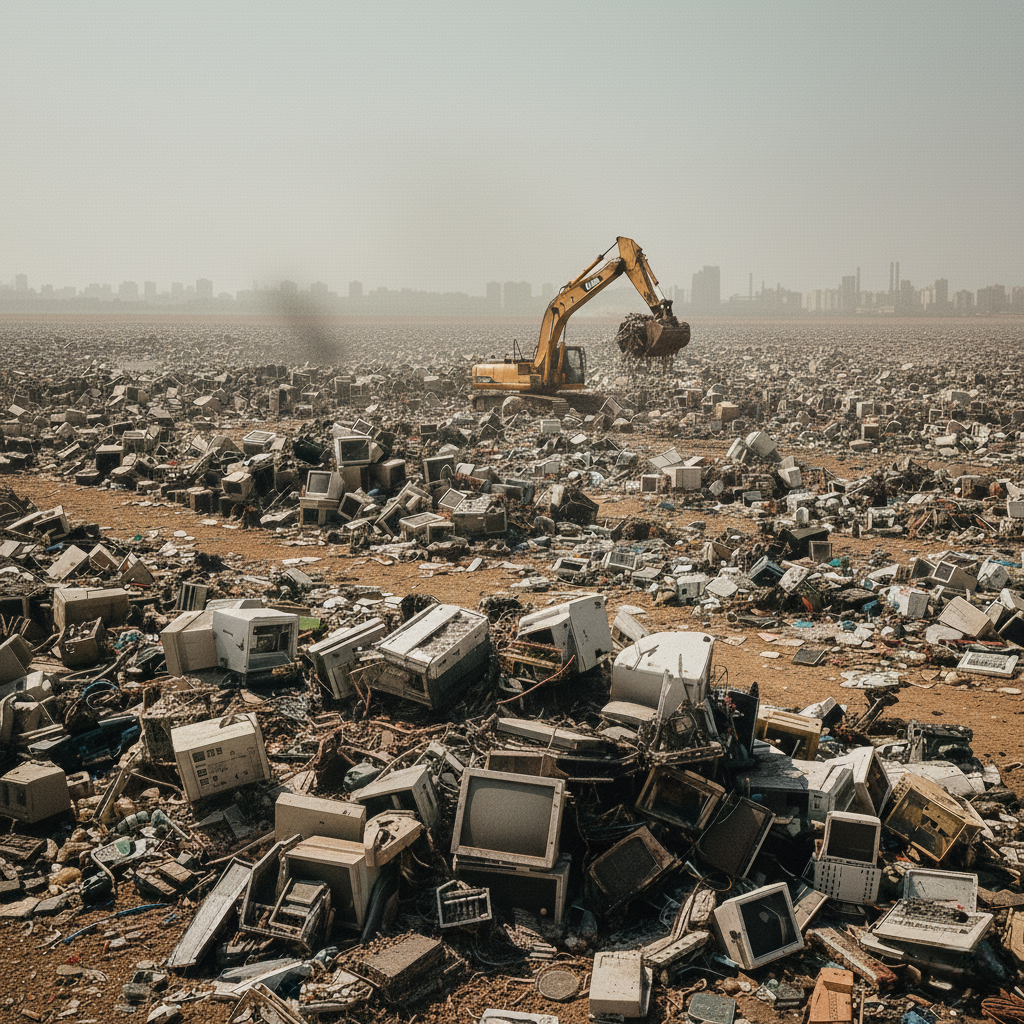
One of the most important choices we made was using refurbished technology. Instead of buying everything brand new, we partnered with organizations like eSmart Recycling, who collect decommissioned devices from companies, securely wipe and certify them, and prepare them for second use.

That meant less e-waste and more access for people who often get left out of the digital world.

Today, those same devices that were collecting dust in office storage closets are helping kids write essays, parents access vital resources, and seniors learn how to video call their families. It’s not about the age of the device—it’s about what someone can do with it now.

This was a team effort

This project only came to life because of collaboration. Mt. Zion Human Services offered the space and a strong connection to the neighborhood. Orlando Health funded the initiative. And we brought the pieces together—coordinating the technology, programming, and partners.

Each role was essential. And now, every time we walk into the space and see it full of people learning, focusing, and helping each other, we’re reminded why we do this.

Just the beginning

This Tech Hub is our first—but definitely not our last. We’re already working on ways to expand the model to other communities across Florida and beyond.

There’s still a long way to go. But what happened in South St. Pete proves that with the right tools, the right people, and a little coordination, real change can start with something as simple as a working computer and a door that’s open.

We were there to see it happen. And we’re just getting started.
MORE ARTICLES:

Do your data disappear when recycling laptops in Tampa?

Laptop access across Tampa communities in 2025

Giving students access through recycled laptops in Tampa

Did you Like what your read? Help us spread the word 💪

“Every story we tell is a chance to bring someone new into this movement.”

Dannet Leon

Marketing & Communications Manager

Storyteller. Strategist. Builder of bridges.

Dannet leads storytelling and strategic communication at DEF, where they connect mission to message across partnerships, campaigns, and digital platforms. With experience in purpose-driven marketing and social impact storytelling, they shape the narratives that help donors, sponsors, and community partners see themselves in the work of bridging the digital divide.
From crafting pitch decks and donor campaigns to amplifying student success stories, Dannet ensures the impact of DEF is seen, felt, and supported—online and off.
Tony founded the Digital Education Foundation to scale that impact, designing turnkey programs that empower students, schools, and families through refurbished technology and digital literacy. His work is driven by a core belief: technology is more than a tool—it’s a lifeline to education, employment, and equity.

Dannet Leon

Founder & CEO

Storyteller. Strategist. Builder of bridges.

Dannet leads storytelling and strategic communication at DEF, where they connect mission to message across partnerships, campaigns, and digital platforms. With experience in purpose-driven marketing and social impact storytelling, they shape the narratives that help donors, sponsors, and community partners see themselves in the work of bridging the digital divide.
From crafting pitch decks and donor campaigns to amplifying student success stories, Dannet ensures the impact of DEF is seen, felt, and supported—online and off.
Tony founded the Digital Education Foundation to scale that impact, designing turnkey programs that empower students, schools, and families through refurbished technology and digital literacy. His work is driven by a core belief: technology is more than a tool—it’s a lifeline to education, employment, and equity.

“Every story we tell is a chance to bring someone new into this movement.”

“When we connect families to technology, we connect them to possibility.”

Veatrice Farrell

Chief Community Officer

Equity strategist. Connector. Grant-getter.

Veatrice leads DEF’s community strategy, championing access to technology for historically excluded populations. In 2025, her leadership helped secure a $6.9M federal grant recommendation from the NTIA to expand digital literacy across St. Petersburg—one of only a few projects selected nationwide.
With a background in banking and over a decade of community revitalization experience as Executive Director of Deuces Live, she brings both strategic insight and grassroots credibility. Veatrice ensures every DEF program—whether a Tech Hub, device drive, or training series—is rooted in real community need. She also co-leads Hypatia Collaborative and serves on several local arts boards, furthering her commitment to equity and cultural empowerment.

Veatrice Farrell

Chief Community Officer

Equity strategist. Connector. Grant-getter.

Veatrice leads DEF’s community strategy, championing access to technology for historically excluded populations. In 2025, her leadership helped secure a $6.9M federal grant recommendation from the NTIA to expand digital literacy across St. Petersburg—one of only a few projects selected nationwide.Tony founded the Digital Education Foundation to scale that impact, designing turnkey programs that empower students, schools, and families through refurbished technology and digital literacy. His work is driven by a core belief: technology is more than a tool—it’s a lifeline to education, employment, and equity.

“When we connect families to technology, we connect them to possibility.”

“We’re not just recycling devices. We’re transforming futures.”

Tony Selvaggio

Founder & CEO

Entrepreneur. Recycler. Impact visionary.

Tony is a purpose-driven entrepreneur focused on environmental sustainability and digital inclusion. He launched eSmart Recycling in 2014 to give discarded electronics a second life—transforming them into opportunity for underserved communities. Under his leadership, the company evolved into a leading social enterprise, blending responsible e-waste recycling with device donations and education access.
Tony founded the Digital Education Foundation to scale that impact, designing turnkey programs that empower students, schools, and families through refurbished technology and digital literacy. His work is driven by a core belief: technology is more than a tool—it’s a lifeline to education, employment, and equity.

Tony Selvaggio

Founder & CEO

Entrepreneur. Recycler. Impact visionary.

Tony is a purpose-driven entrepreneur focused on environmental sustainability and digital inclusion. He launched eSmart Recycling in 2014 to give discarded electronics a second life—transforming them into opportunity for underserved communities. Under his leadership, the company evolved into a leading social enterprise, blending responsible e-waste recycling with device donations and education access.
Tony founded the Digital Education Foundation to scale that impact, designing turnkey programs that empower students, schools, and families through refurbished technology and digital literacy. His work is driven by a core belief: technology is more than a tool—it’s a lifeline to education, employment, and equity.

“We’re not just recycling devices. We’re transforming futures.”