From a corporate office to a classroom in South St. Pete

There’s a moment in the warehouse that we still enjoy, even after years of seeing it.

A computer comes through the door. It comes from a corporate office, dust included. It’s been months — sometimes years — since anyone turned it on. And within a few days, it leaves ready for a student in South St. Pete to write their first essay or prepare for the SAT on it.

That doesn’t happen on its own. There’s a process behind it, and we think it’s worth explaining.

First: someone decides to let go of the equipment

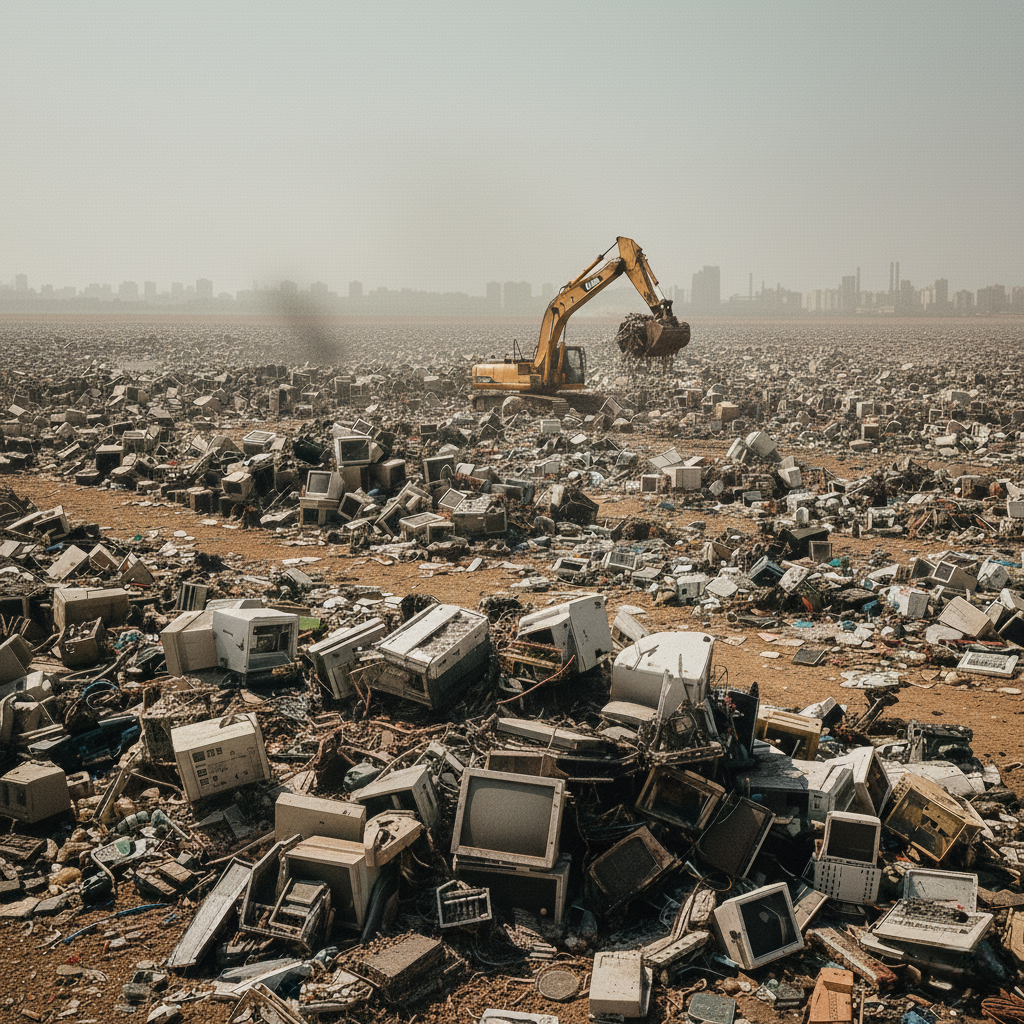
It all starts when a company decides it no longer needs its old computers. Sometimes it’s because they purchased new equipment. Sometimes, because they closed an office. Whatever the reason, those devices have two possible outcomes: the landfill or a second life.

eSmart Recycling handles direct pickup from the client’s location. The company doesn’t have to figure out what’s inside the equipment, how to process it, or what to do with the data stored on it. That part is on us.

Second: the data is gone. For real.

Before any computer moves forward in the process, information security is addressed. Every device goes through a certified process under the R2v3 standard. Hard drives are destroyed internally — not remarked, not resold.

Nothing leaves the warehouse with any data from the original owner. And the company receives documentation that closes that cycle. No loose ends.

Third: Does it work or not?

This is the part most people don’t see. Not every device that comes in becomes a functional computer. Each one is evaluated: physical condition, components, and capacity. Those that don’t qualify are responsibly recycled. Those who do move to the next stage.

And that decision matters, because it determines whether the equipment that reaches the community will actually work.

Fourth: refurbishing

The devices that pass evaluation are cleaned, configured, and prepared for their new use. Approximately 30% of eSmart Recycling’s revenue goes toward funding the refurbishing of computers for families and students without access. On average, each computer deployed through these programs reaches four people.

Four people. Per device. Who didn’t have access before?

Fifth: they reach where they need to be

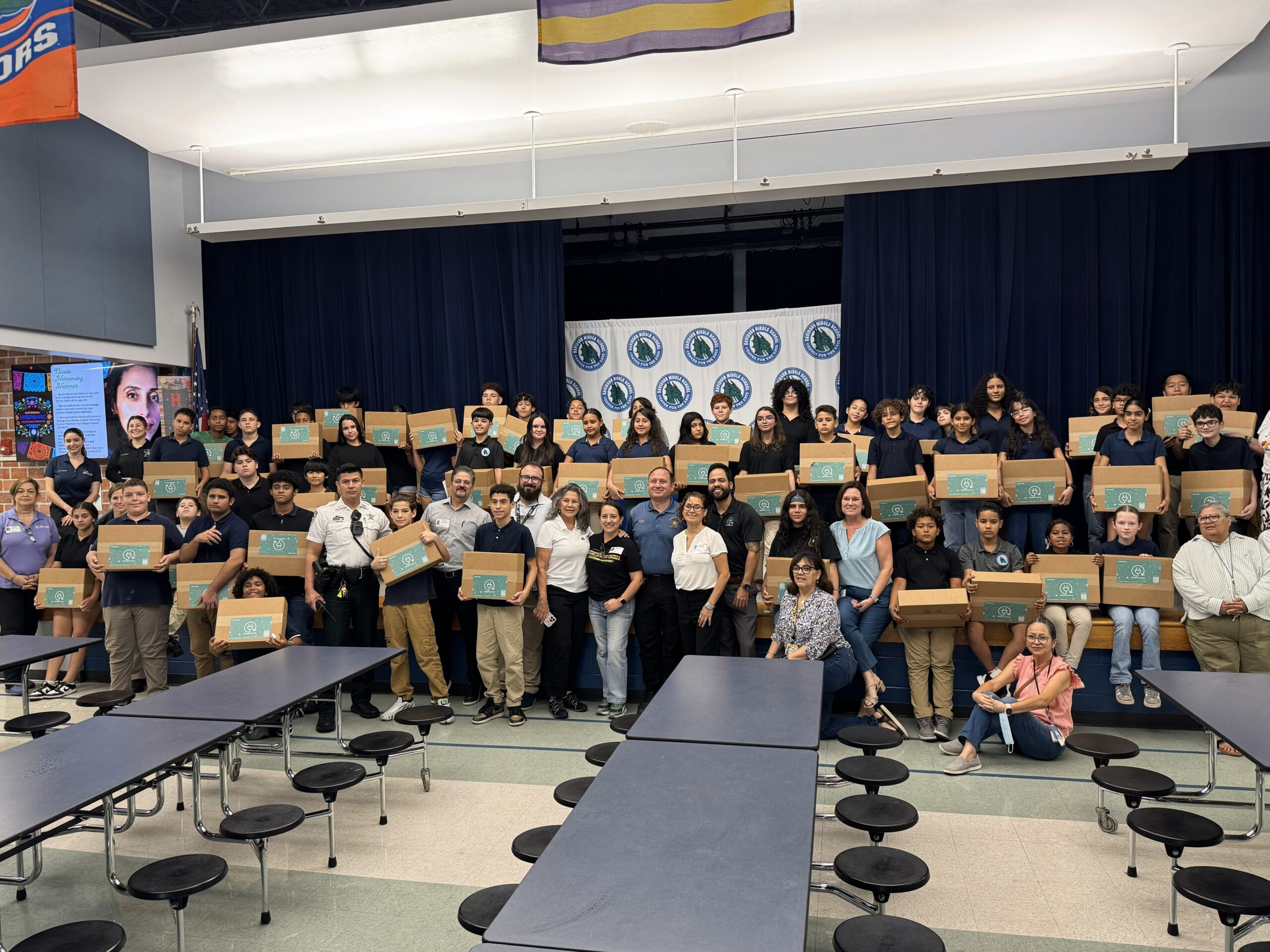
Digital Education Foundation receives the ready-to-use equipment and deploys it through its Tech Hubs. The first one opened in May 2025 at 945 20th Street South, in the Melrose-Mercy neighborhood of South St. Pete, inside Mt. Zion Human Services, equipped with 22 desktop computers and one laptop.

Technology that was once unused in an office now allows students to write essays, parents to access online services, and adults to learn digital skills. The hub also brings in community instructors to teach classes, offers telehealth training, and SAT preparation for students.

Why do we tell it this way?

Because when someone donates an old computer, they rarely know what happens next. And that “next” is the part that changes lives.

A laptop that sat in a drawer in an office in Tampa for three years can now be the screen a student in South St. Pete uses to do their homework. Or the device a mother uses to schedule a medical appointment online for the first time.

That’s not a metaphor. That’s the process. And it works.

Do you have equipment you no longer use? Write to us.

MORE ARTICLES:

From a corporate office to a classroom in South St. Pete

Do your data disappear when recycling laptops in Tampa?

Laptop access across Tampa communities in 2025

Did you Like what your read? Help us spread the word 💪

“Every story we tell is a chance to bring someone new into this movement.”

Dannet Leon

Marketing & Communications Manager

Storyteller. Strategist. Builder of bridges.

Dannet leads storytelling and strategic communication at DEF, where they connect mission to message across partnerships, campaigns, and digital platforms. With experience in purpose-driven marketing and social impact storytelling, they shape the narratives that help donors, sponsors, and community partners see themselves in the work of bridging the digital divide.
From crafting pitch decks and donor campaigns to amplifying student success stories, Dannet ensures the impact of DEF is seen, felt, and supported—online and off.
Tony founded the Digital Education Foundation to scale that impact, designing turnkey programs that empower students, schools, and families through refurbished technology and digital literacy. His work is driven by a core belief: technology is more than a tool—it’s a lifeline to education, employment, and equity.

Dannet Leon

Founder & CEO

Storyteller. Strategist. Builder of bridges.

Dannet leads storytelling and strategic communication at DEF, where they connect mission to message across partnerships, campaigns, and digital platforms. With experience in purpose-driven marketing and social impact storytelling, they shape the narratives that help donors, sponsors, and community partners see themselves in the work of bridging the digital divide.
From crafting pitch decks and donor campaigns to amplifying student success stories, Dannet ensures the impact of DEF is seen, felt, and supported—online and off.
Tony founded the Digital Education Foundation to scale that impact, designing turnkey programs that empower students, schools, and families through refurbished technology and digital literacy. His work is driven by a core belief: technology is more than a tool—it’s a lifeline to education, employment, and equity.

“Every story we tell is a chance to bring someone new into this movement.”

“When we connect families to technology, we connect them to possibility.”

Veatrice Farrell

Chief Community Officer

Equity strategist. Connector. Grant-getter.

Veatrice leads DEF’s community strategy, championing access to technology for historically excluded populations. In 2025, her leadership helped secure a $6.9M federal grant recommendation from the NTIA to expand digital literacy across St. Petersburg—one of only a few projects selected nationwide.
With a background in banking and over a decade of community revitalization experience as Executive Director of Deuces Live, she brings both strategic insight and grassroots credibility. Veatrice ensures every DEF program—whether a Tech Hub, device drive, or training series—is rooted in real community need. She also co-leads Hypatia Collaborative and serves on several local arts boards, furthering her commitment to equity and cultural empowerment.

Veatrice Farrell

Chief Community Officer

Equity strategist. Connector. Grant-getter.

Veatrice leads DEF’s community strategy, championing access to technology for historically excluded populations. In 2025, her leadership helped secure a $6.9M federal grant recommendation from the NTIA to expand digital literacy across St. Petersburg—one of only a few projects selected nationwide.Tony founded the Digital Education Foundation to scale that impact, designing turnkey programs that empower students, schools, and families through refurbished technology and digital literacy. His work is driven by a core belief: technology is more than a tool—it’s a lifeline to education, employment, and equity.

“When we connect families to technology, we connect them to possibility.”

“We’re not just recycling devices. We’re transforming futures.”

Tony Selvaggio

Founder & CEO

Entrepreneur. Recycler. Impact visionary.

Tony is a purpose-driven entrepreneur focused on environmental sustainability and digital inclusion. He launched eSmart Recycling in 2014 to give discarded electronics a second life—transforming them into opportunity for underserved communities. Under his leadership, the company evolved into a leading social enterprise, blending responsible e-waste recycling with device donations and education access.
Tony founded the Digital Education Foundation to scale that impact, designing turnkey programs that empower students, schools, and families through refurbished technology and digital literacy. His work is driven by a core belief: technology is more than a tool—it’s a lifeline to education, employment, and equity.

Tony Selvaggio

Founder & CEO

Entrepreneur. Recycler. Impact visionary.

Tony is a purpose-driven entrepreneur focused on environmental sustainability and digital inclusion. He launched eSmart Recycling in 2014 to give discarded electronics a second life—transforming them into opportunity for underserved communities. Under his leadership, the company evolved into a leading social enterprise, blending responsible e-waste recycling with device donations and education access.
Tony founded the Digital Education Foundation to scale that impact, designing turnkey programs that empower students, schools, and families through refurbished technology and digital literacy. His work is driven by a core belief: technology is more than a tool—it’s a lifeline to education, employment, and equity.

“We’re not just recycling devices. We’re transforming futures.”