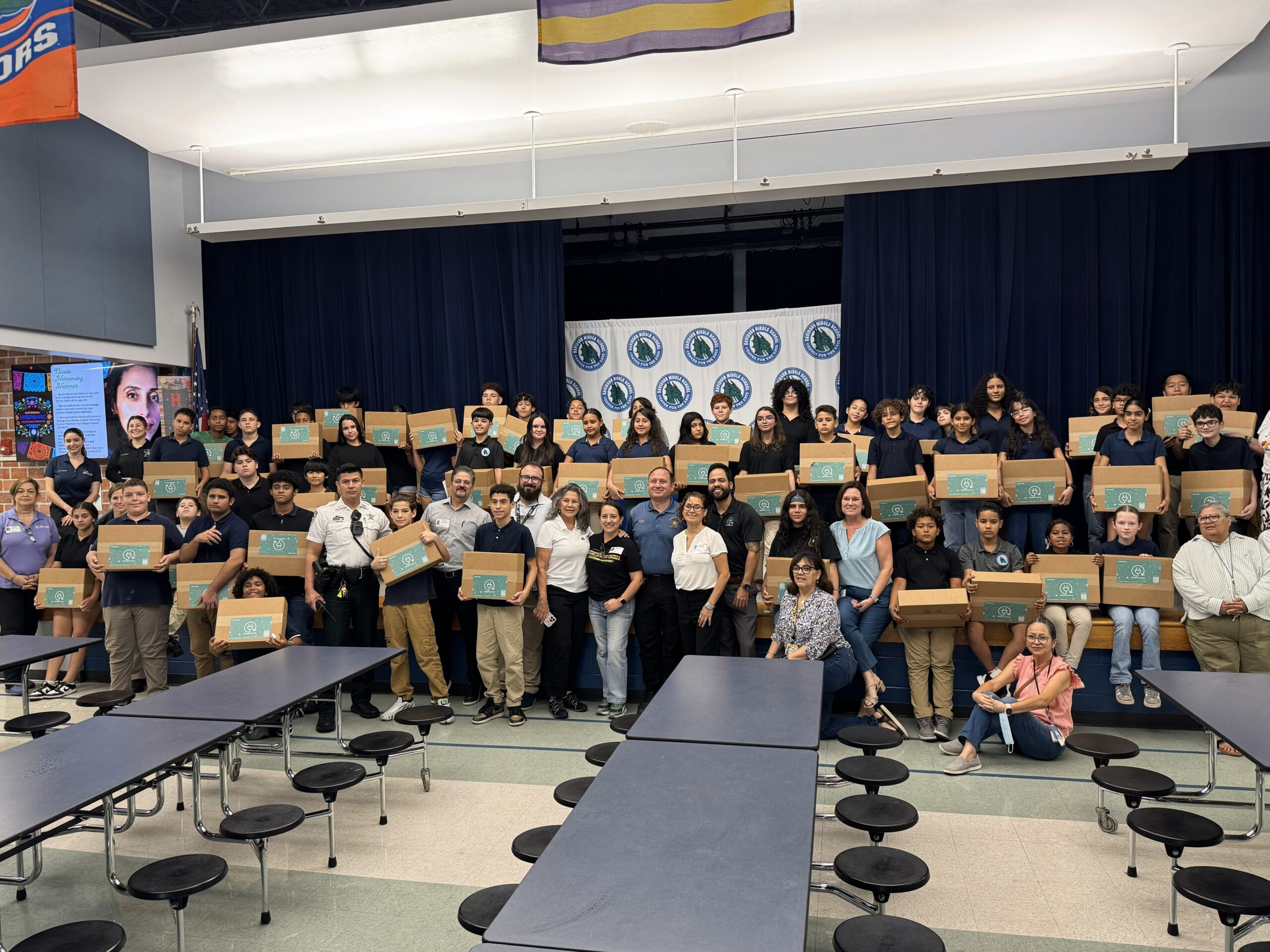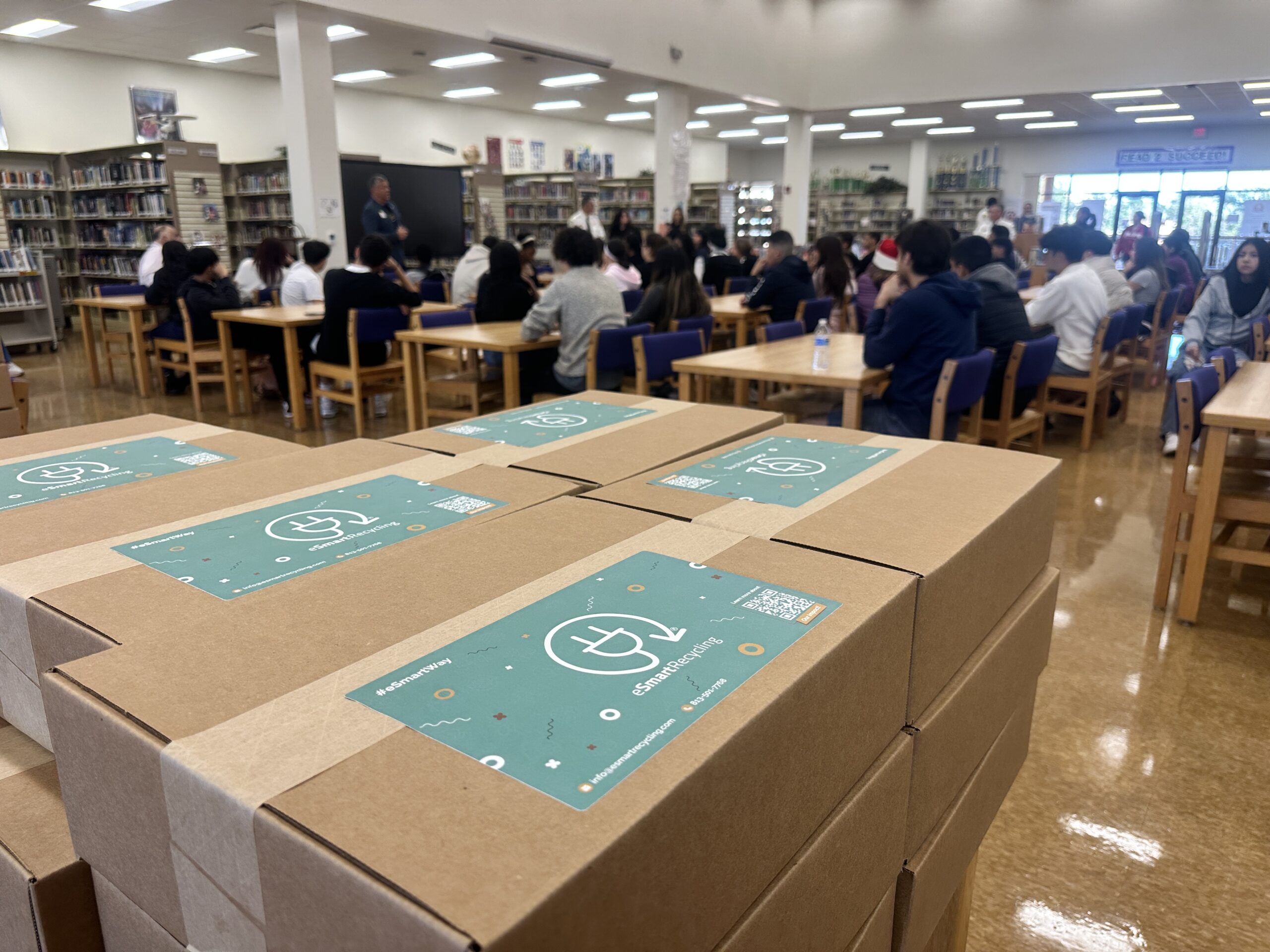
On October 24, a group of veterans gathered at Bahia Apartments in Tampa. Some arrived early, chatting quietly, while others took a seat with a cup of coffee. Seniors in Service and Community Tech House had already set up the room, arranged tables, and prepared the materials for the session. The laptops were placed on a side table, ready to be handed out. It was a simple setting, but it felt warm and respectful. You could tell the morning meant something to the people who showed up.
Why this program matters
For many veterans, daily digital tasks are more complicated than they should be. Some don’t have a personal device. Others use very old equipment, making even basic tasks difficult. Some veterans rely on public Wi-Fi or borrowed devices.
According to a report cited by the FCC, millions of veteran households in the U.S. still lack fixed or mobile broadband.
This affects communication with family, access to healthcare information, online courses through the VA, and countless routine tasks. For older veterans, learning to use a computer without guidance adds another layer of difficulty.
The deployment carried out with Seniors in Service and Community Tech House aimed to give each participant a reliable laptop and the support needed to use it comfortably.
What the day looked like
From the moment the veterans walked in, the environment felt welcoming. The Seniors in Service team greeted each person by name. Community Tech House set out printed guides and a small schedule of the digital skills classes planned for the following weeks. At The Digital Education Foundation, we helped make sure the devices were ready for learning and everyday use.
Once the laptops were handed out, the room shifted in a quiet but noticeable way. Some veterans mentioned they had been without a computer for years. Others talked about classes they wanted to continue or conversations with family they hoped would become easier. Several were surprised by how light the laptops felt or how quickly they turned on. Nothing dramatic—just genuine reactions to having a tool they had been missing for a long time.
Who was involved
The 47 veterans who received their laptops came from very different backgrounds. Some live alone. Others care for relatives. Many stay connected to support groups or community programs. Each person had a clear reason for being there.
This deployment happened thanks to the combined work of Seniors in Service, Community Tech House, and The Digital Education Foundation, along with organizations that help keep these programs running by supporting technology reuse.
What comes next
Operation: Veteran Connect will continue offering digital training and follow-up sessions in the coming weeks. The laptop delivery was only the starting point. What follows is steady, patient guidance so each participant can move at their own pace.
For those interested in how these devices are collected, prepared, and refurbished, the eSmart Recycling blog shares the part of the process that happens before the delivery. Both stories complement each other and show how different groups can contribute in their own way.